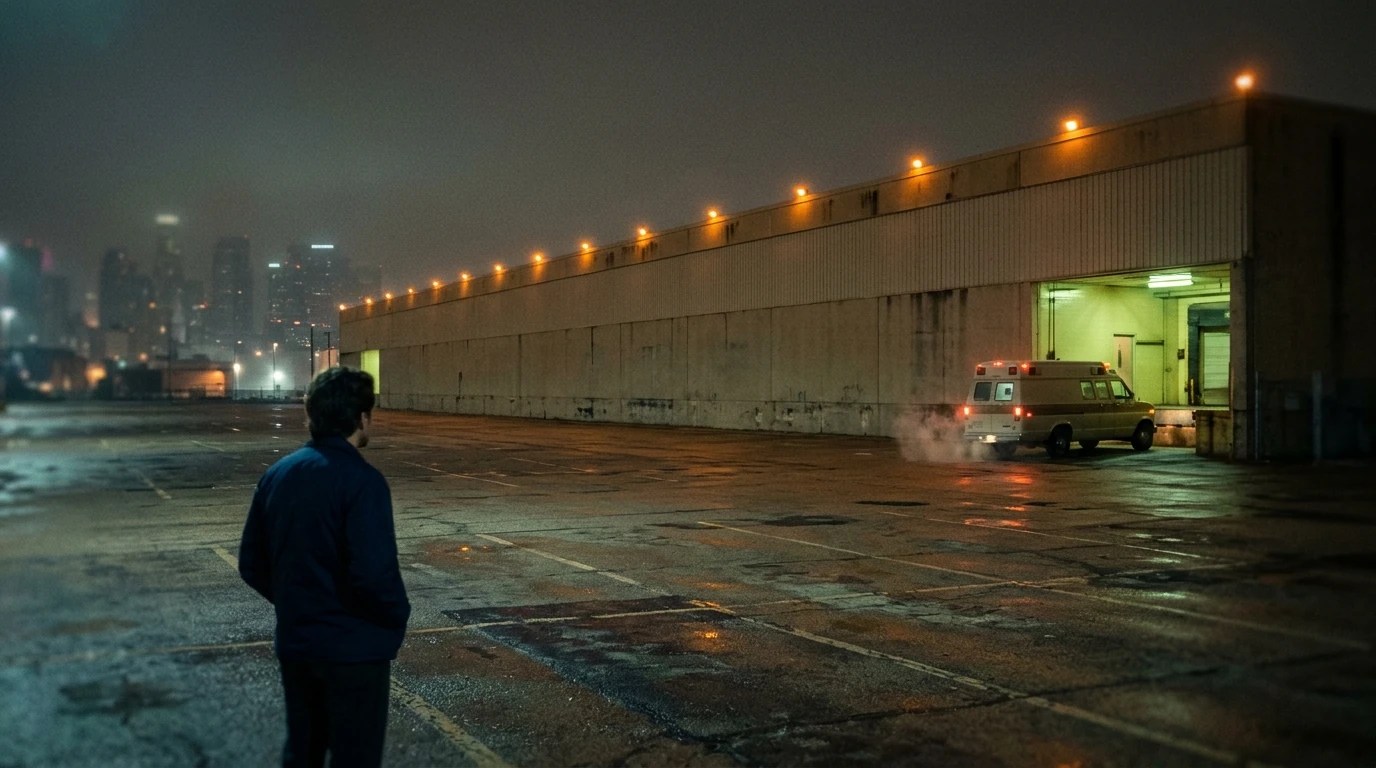
A feature in development · J. Nicholas
PENDING
You die. Your family gets a check. You keep contributing.
The Premise
Posthumous Employment
Reliquary harvests donated human brains and runs them as compute. One brain does the work of a warehouse of servers, on less power, less land and less water.
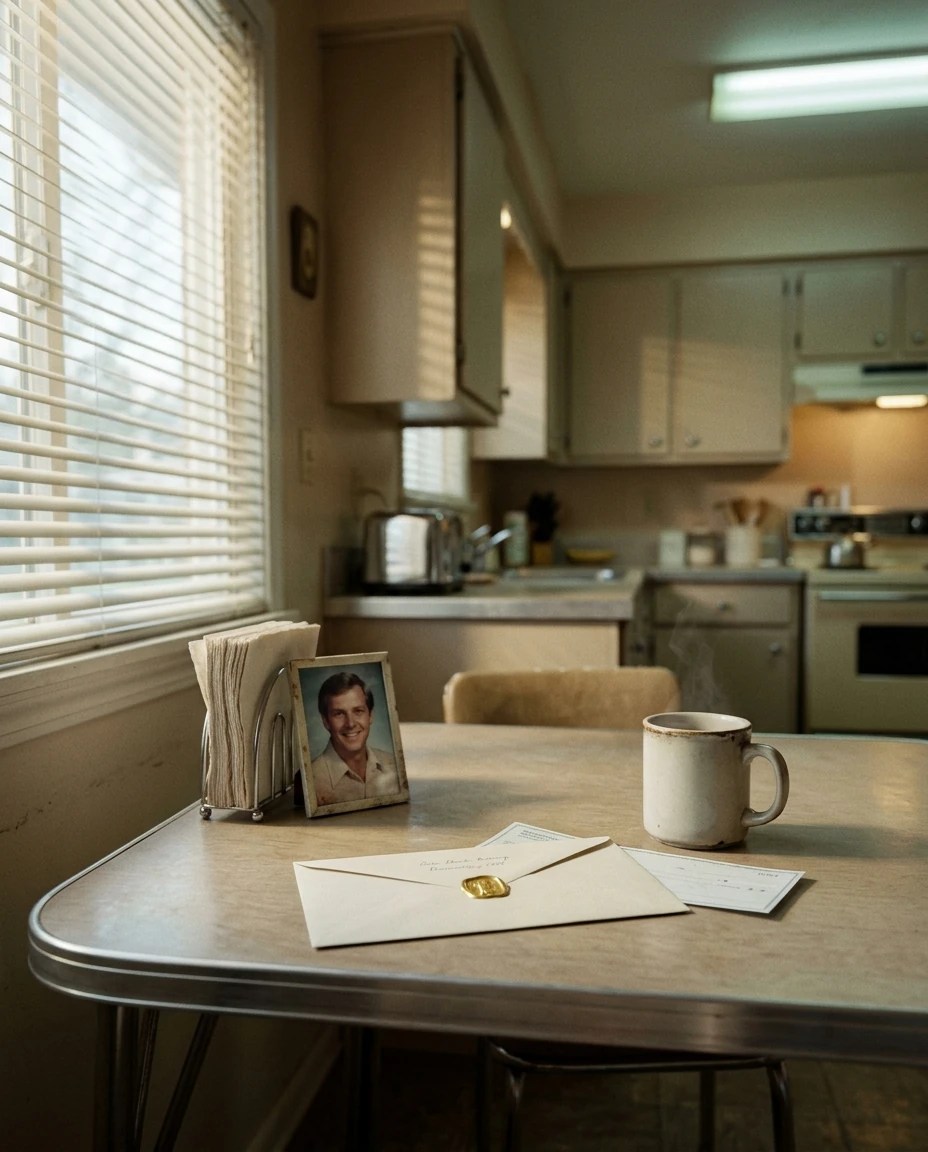
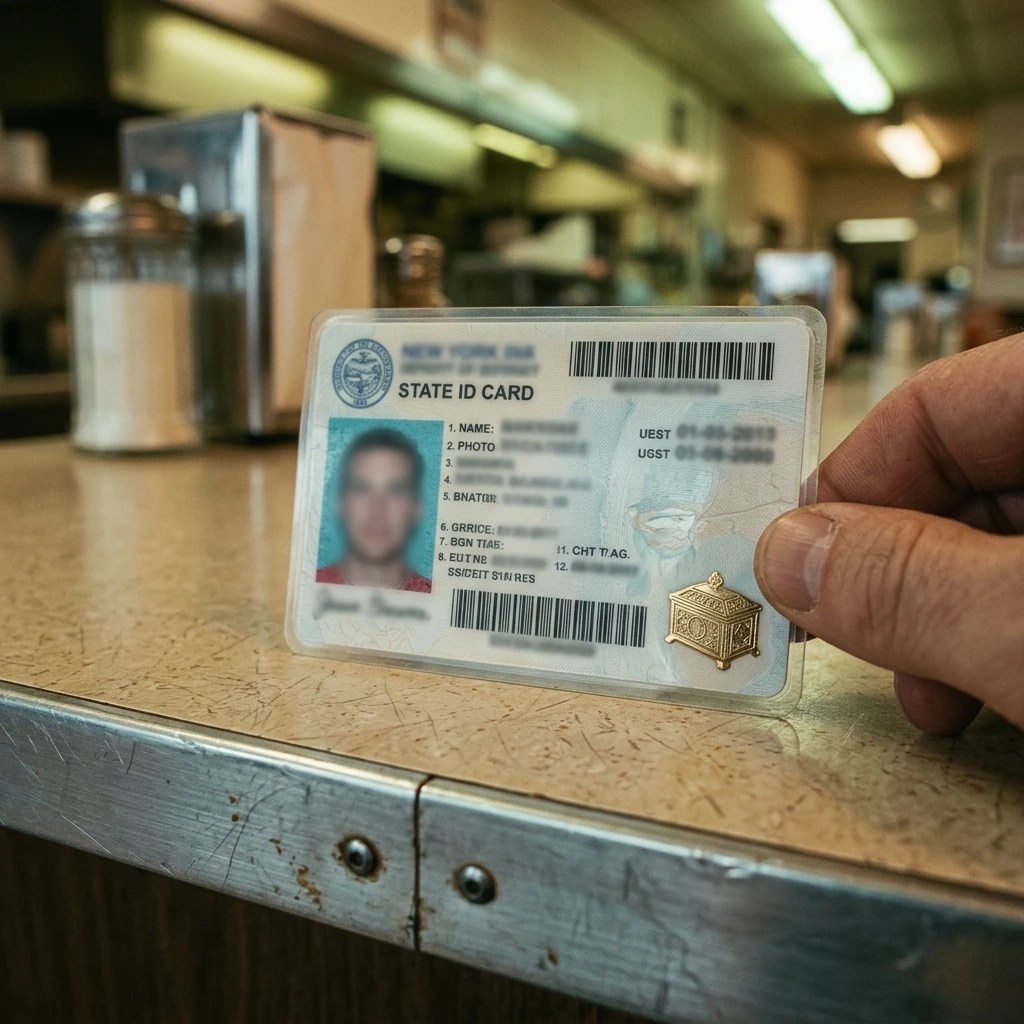
You sign up the way you’d sign up for organ donation, with a small mark on your ID. When you die, your family gets a monthly check.
Nobody knows whether anyone is still in there. The business works fine without the answer.
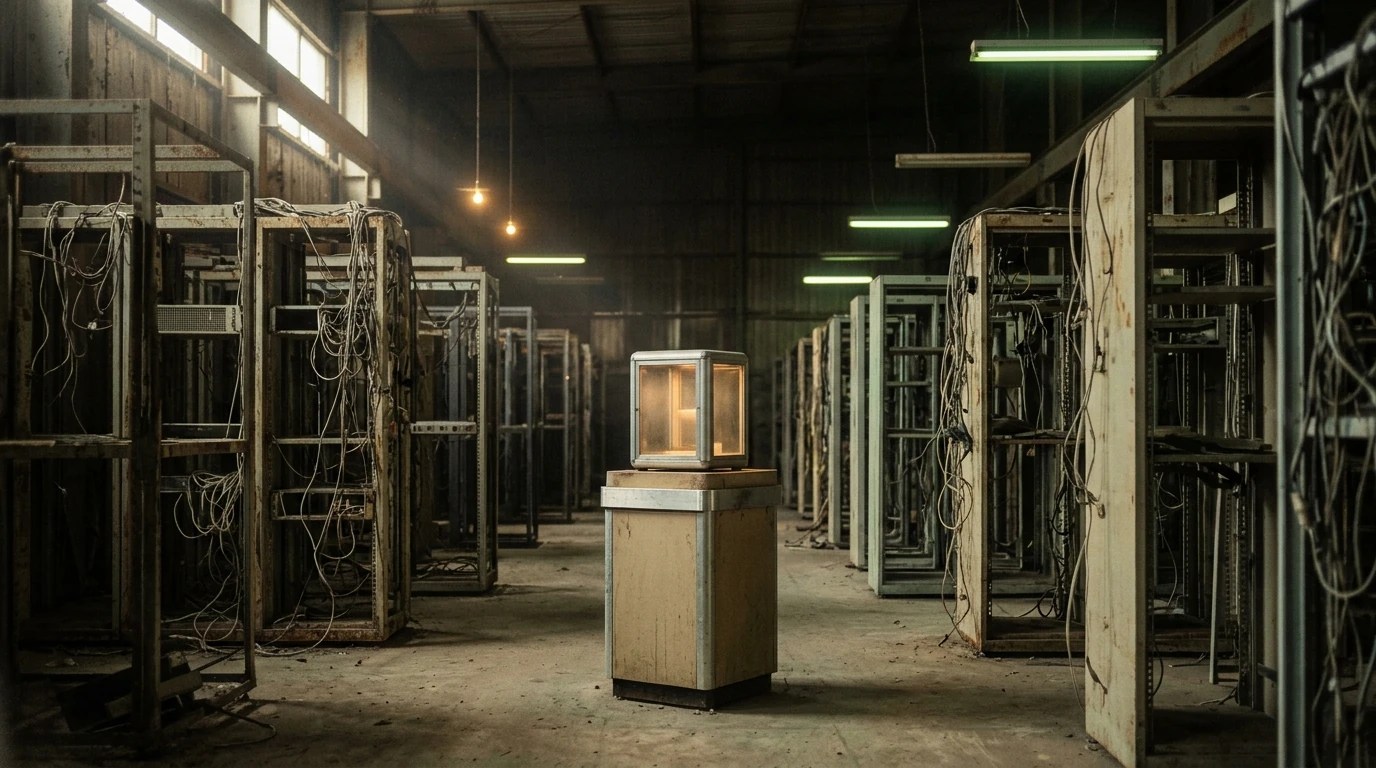
One brain replaces a warehouse of servers.
The racks went quiet a generation ago.

The World
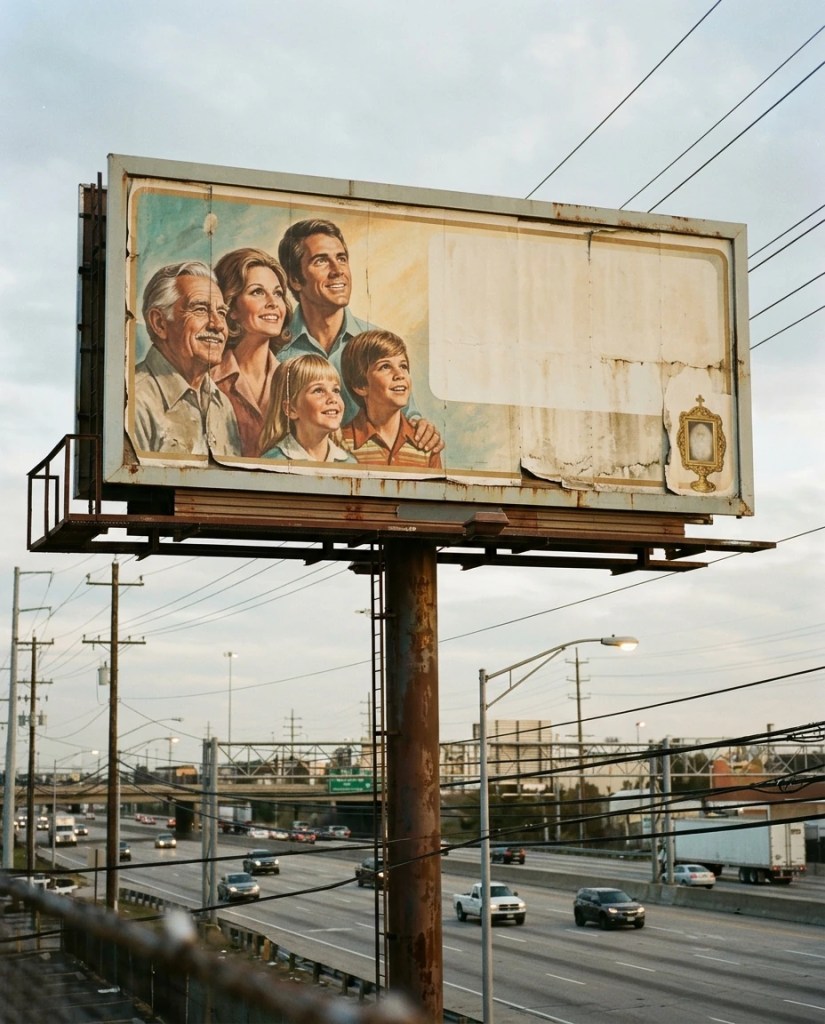
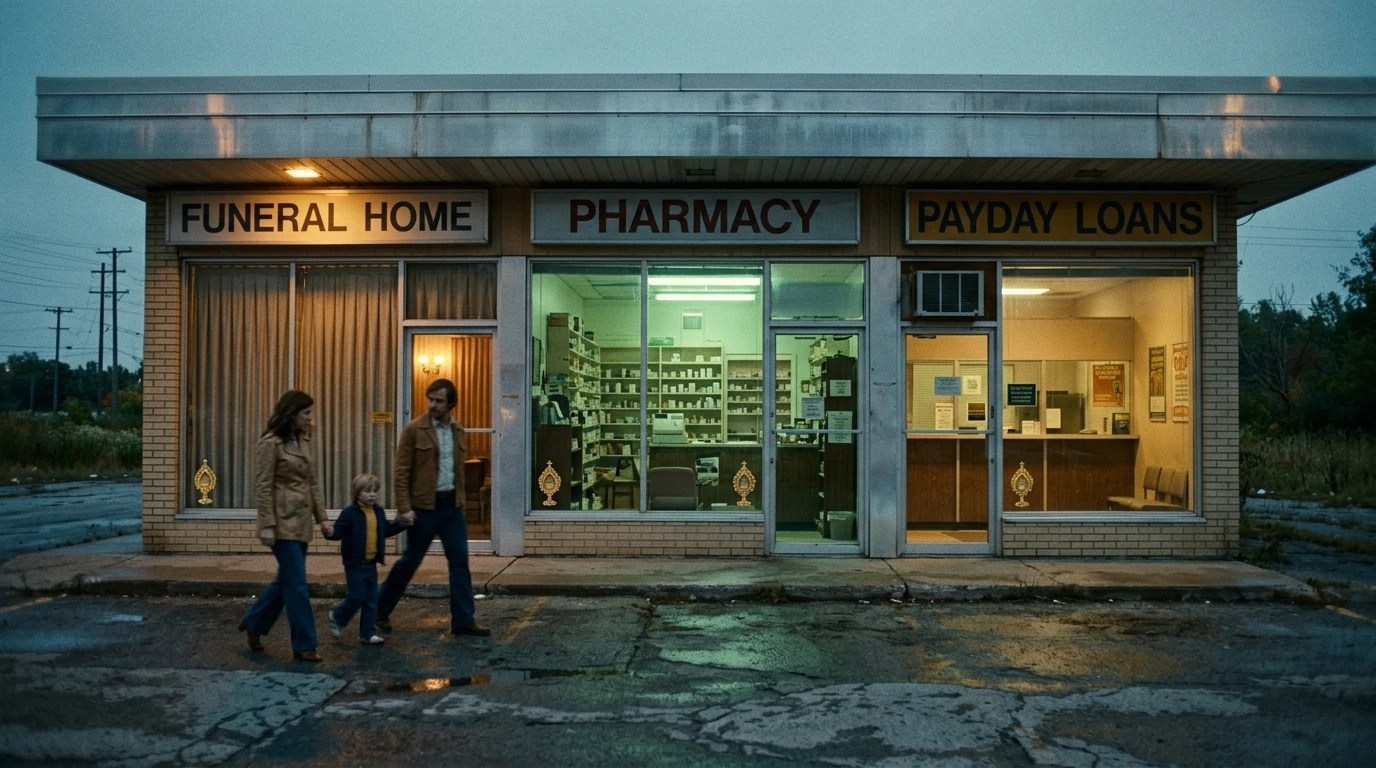
Most people are on the list.
Parents can register their children for the family payment. Registration lasts for life.
Removal exists. It’s slow and deliberate, and Reliquary decides how long it takes. Filing for it is the suspicious act.
Nobody tells you you’re registered. That was your parents’ job.
The Catalog
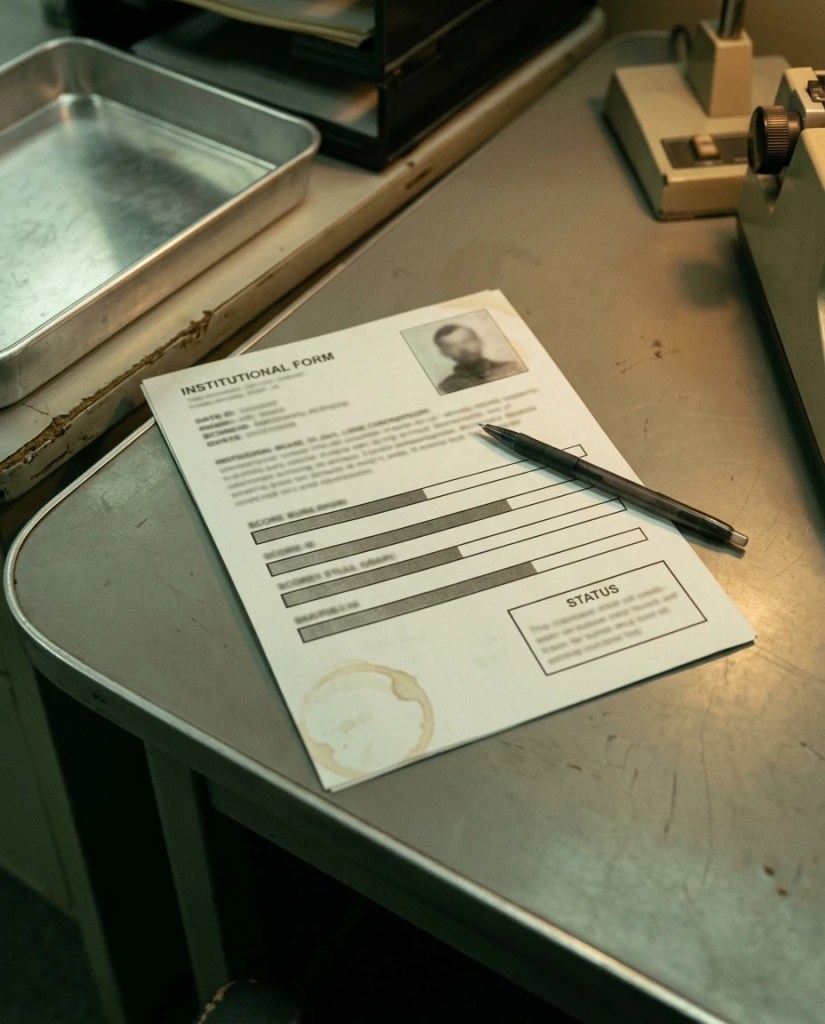
Everyone has a sheet.
Every registered person is scored in four categories:
- Holding conflicting possibilities without collapsing them
- Pattern and anomaly detection
- Reading people
- Spatial memory
Value comes from the combination. The people Reliquary wants most often share nothing, which is why nobody has seen the pattern.


The People
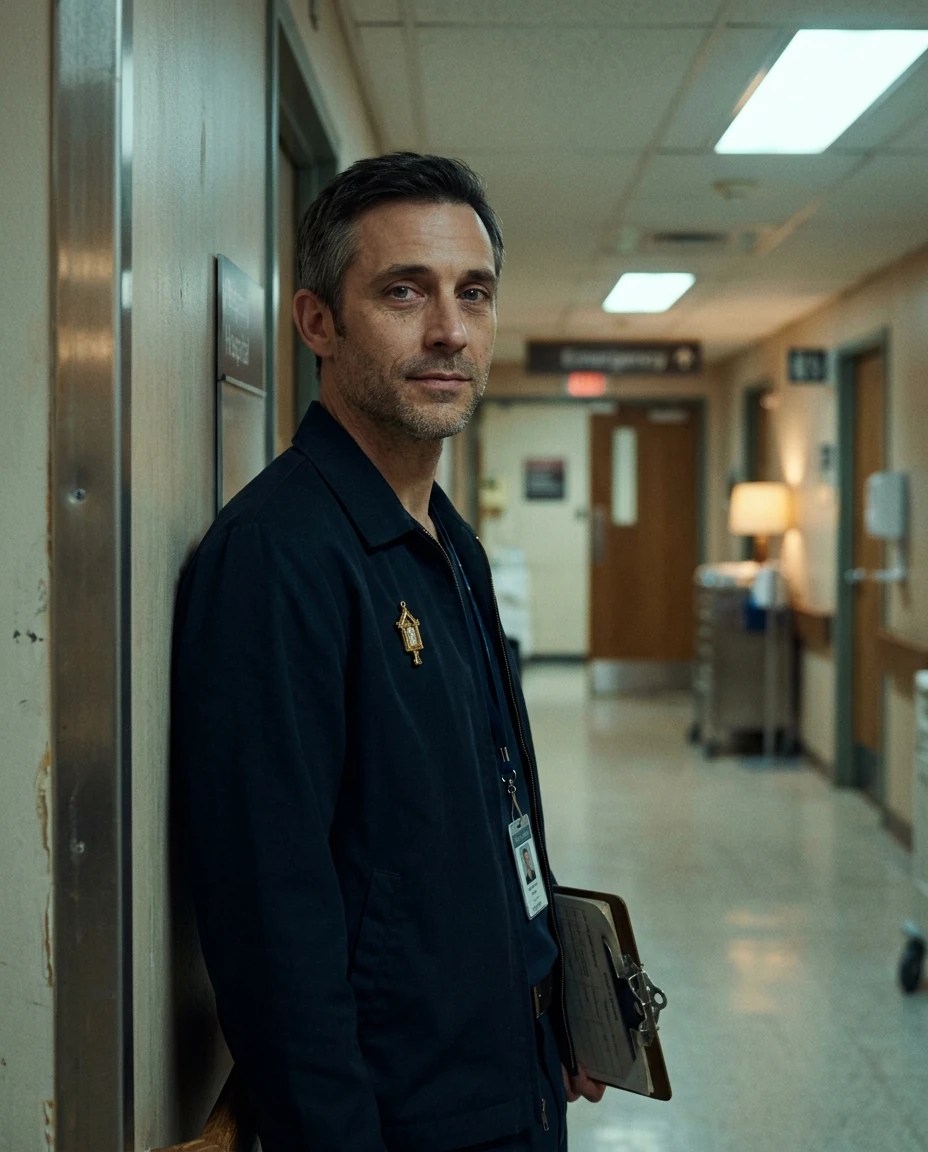
Dell Knox
A pragmatist who came up through organ procurement and earned his way into brain recovery, the elite tier. Families trust him at the bedside. Reliquary records every word, and that’s in his contract.
He still gets a check every month from his brother’s work. His parents registered him as a kid. He’s been scheduled for twenty years.
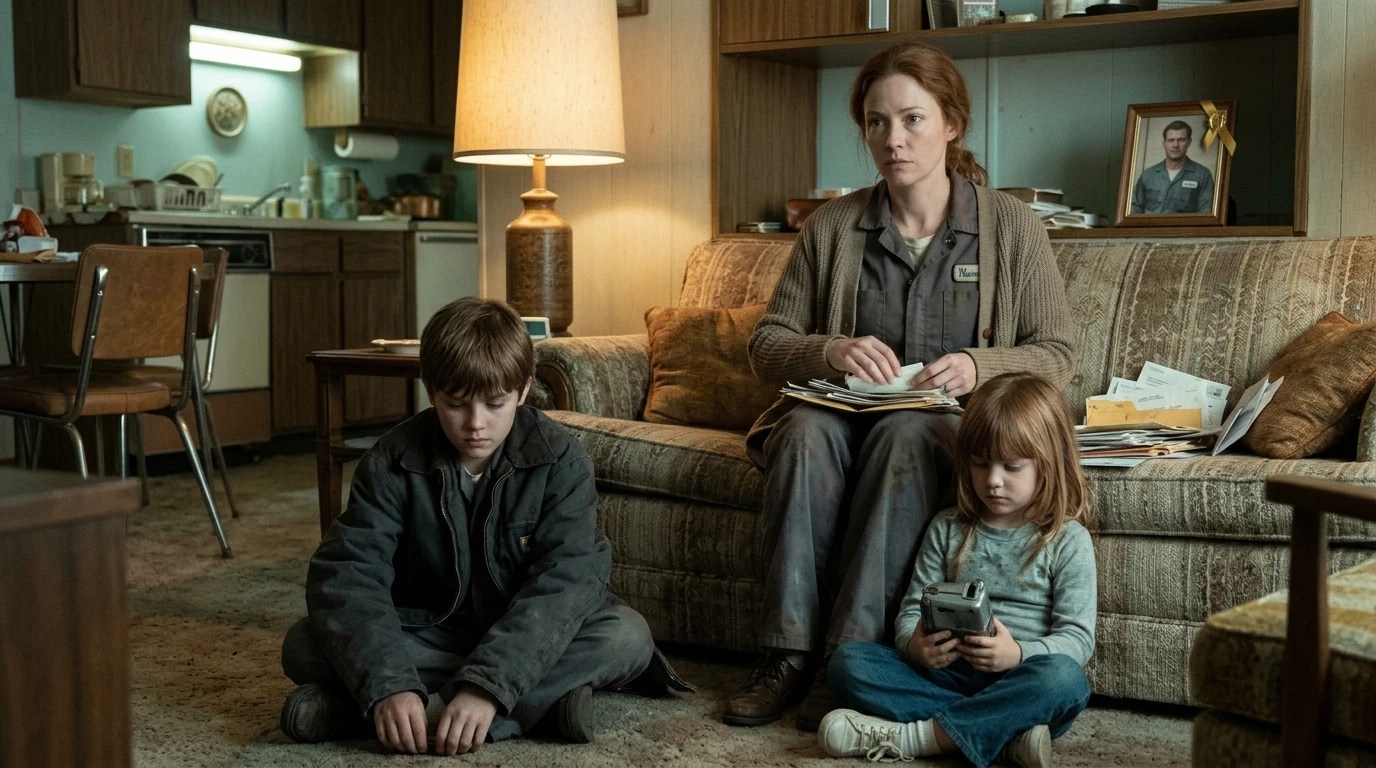
Ruth, Hollis and Nan
Abner’s widow and kids. Ruth believes Abner is still working, and his checks pay for the children. She has more reason than anyone not to believe Dell.

Gil Cuthbert
Dell’s coworker and friend. The most useful ally he has.
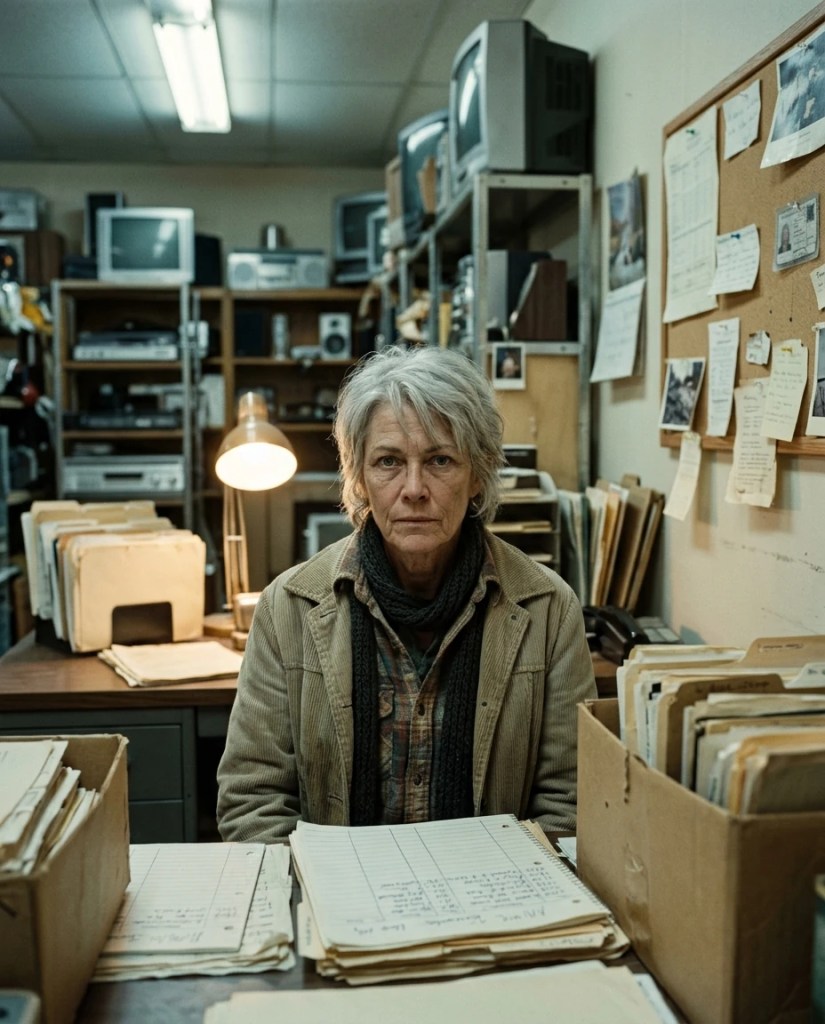
Mona Parrish
She got off the list the long way. She knows it can be done, and what it costs.
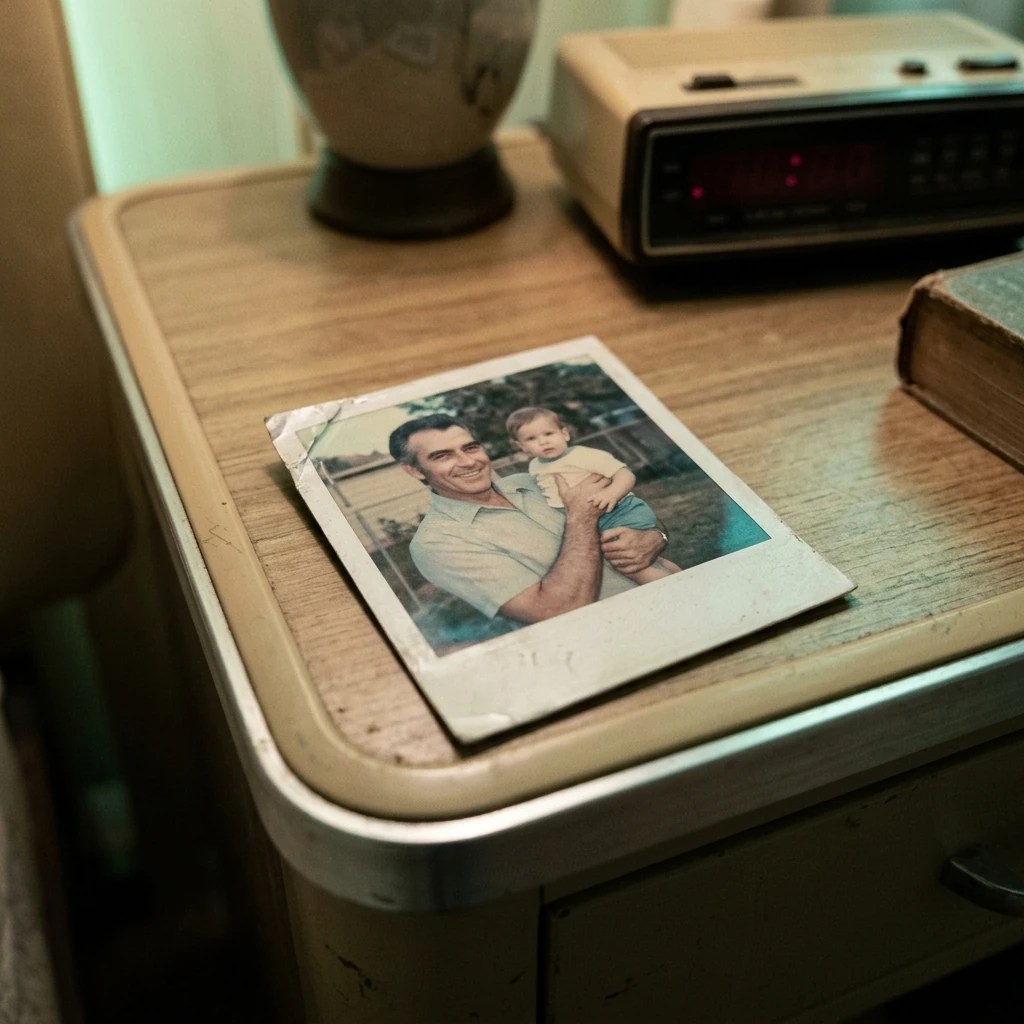
Abner Knox
Dell’s brother. Dead, and one of Reliquary’s best performers. His success suggested siblings share wiring, and that moved Dell’s date up.
Act One
The Discrepancy
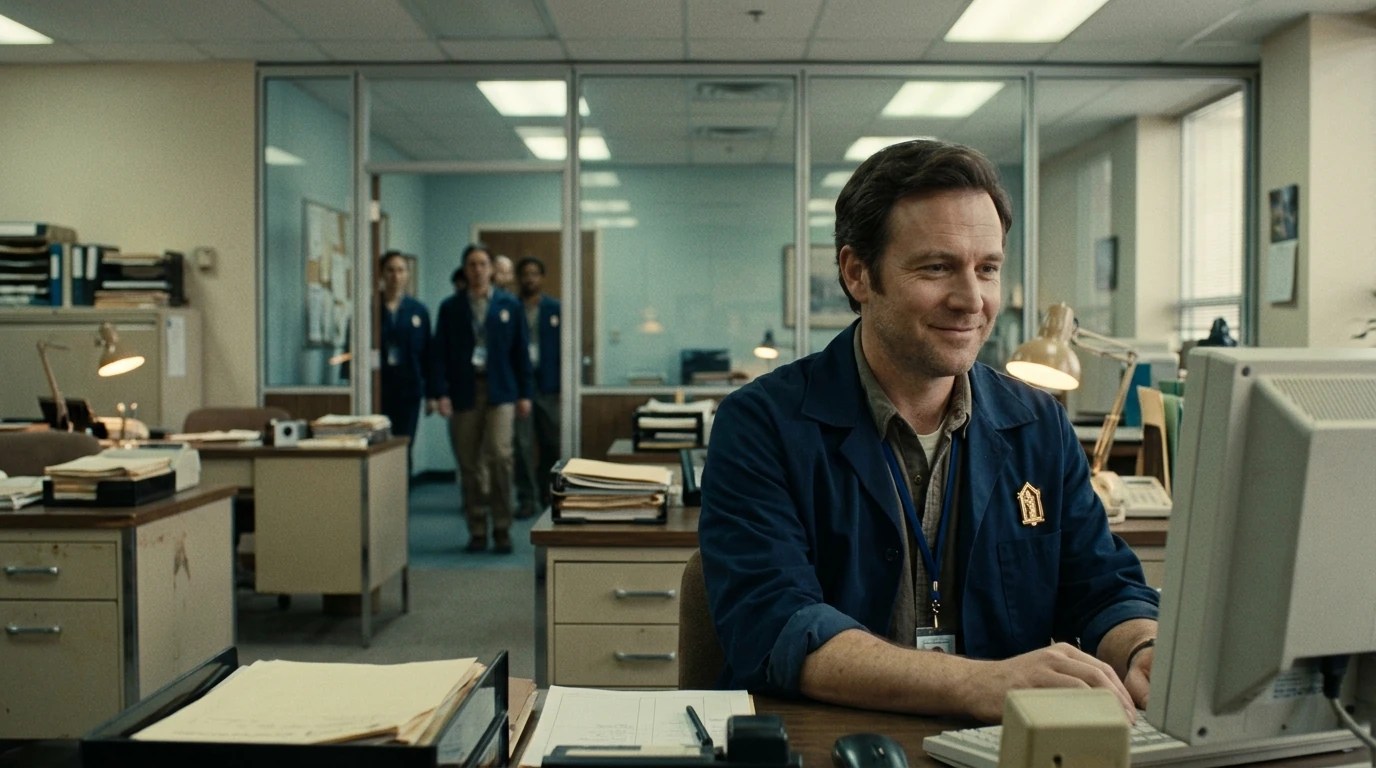
Dell runs an ordinary recovery and gives the speech he’s known for. The family thanks him.
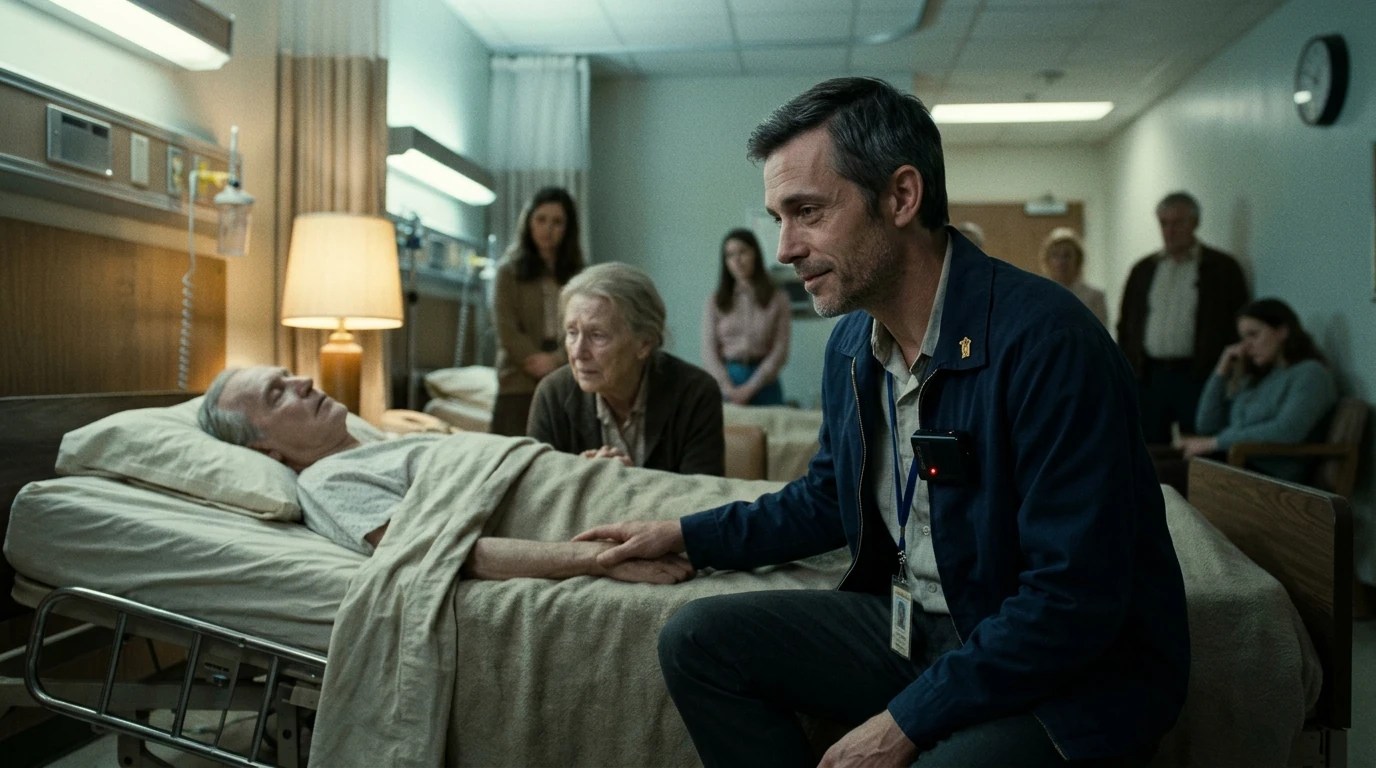
A donor arrives from an accident in better condition than the accident allows. Dell notices because nobody else in the room would.
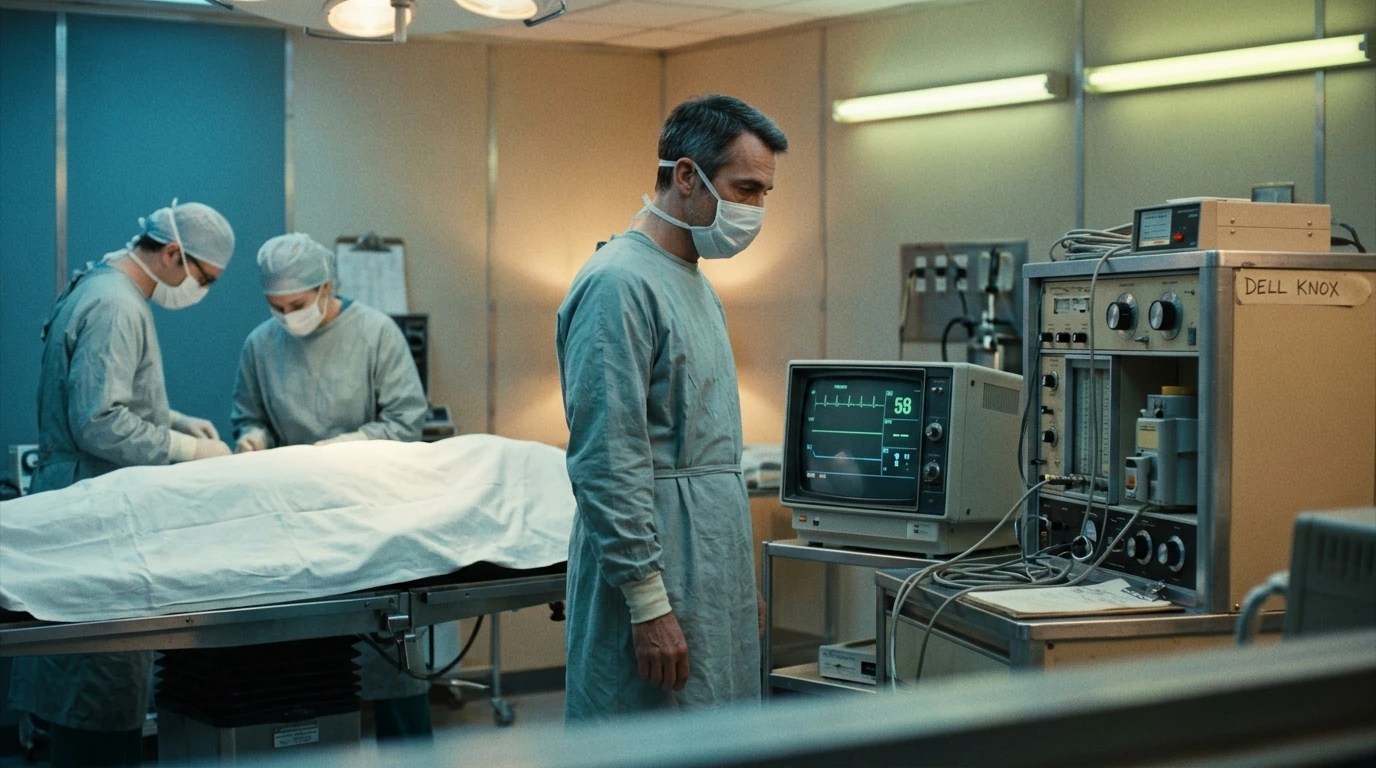
The same week, Abner’s monthly check jumps. A performance bonus for a dead man. Then Dell recognizes a recovery crew: same team, different city, first on scene again.
He opens the catalog to look up his brother. A few rows down is his own sheet. Scores, assigned team, destination, collection window.
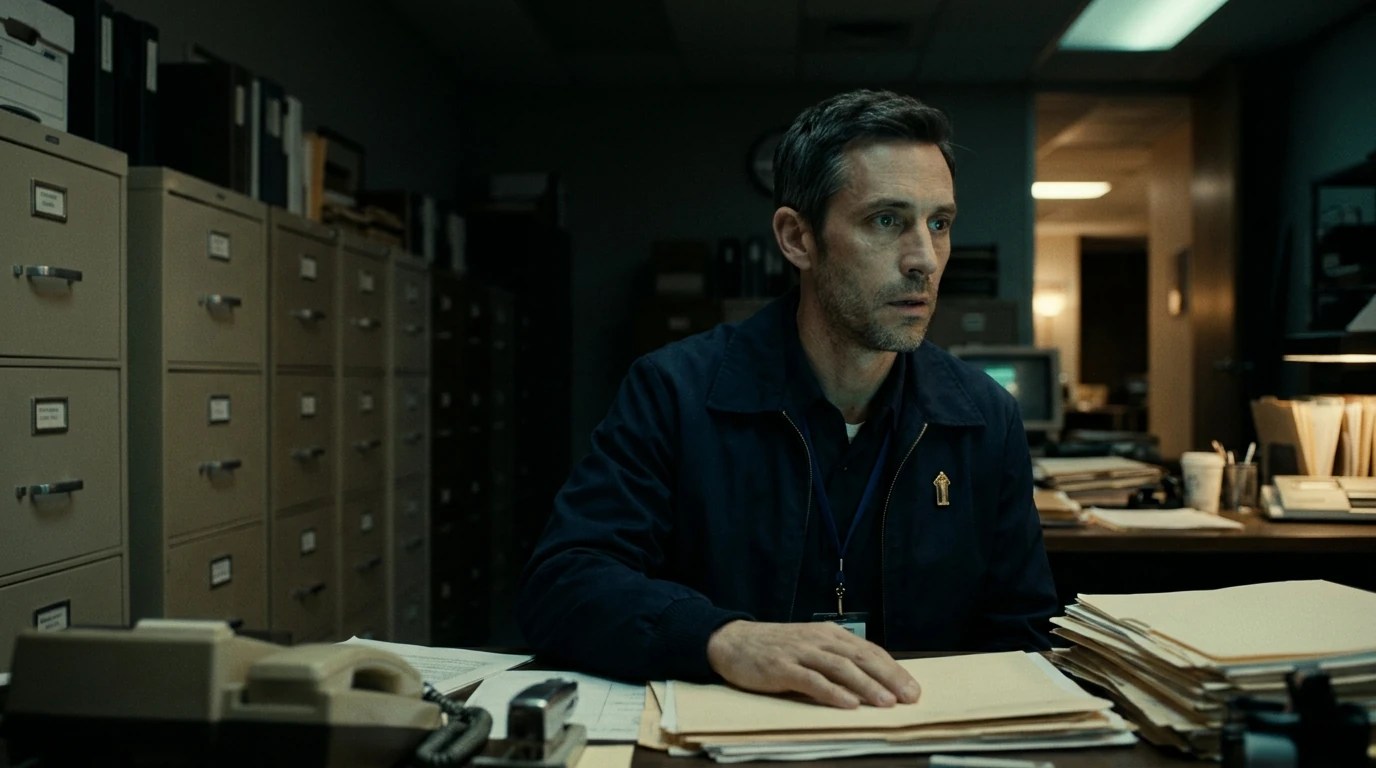
Collection window: next week
Act Two
The Pursuit
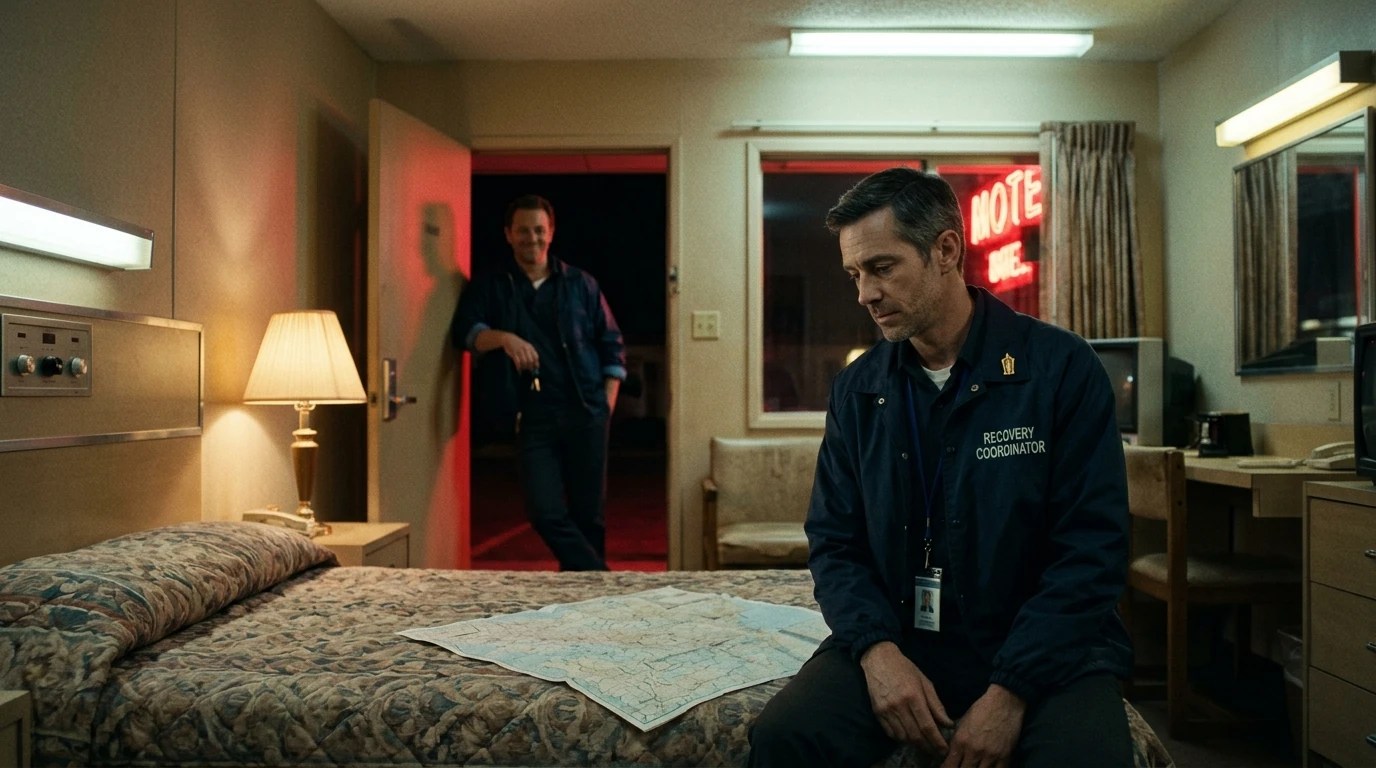
His account says he’s on medical leave. He’s placed people on that leave himself. He knows what comes after it.
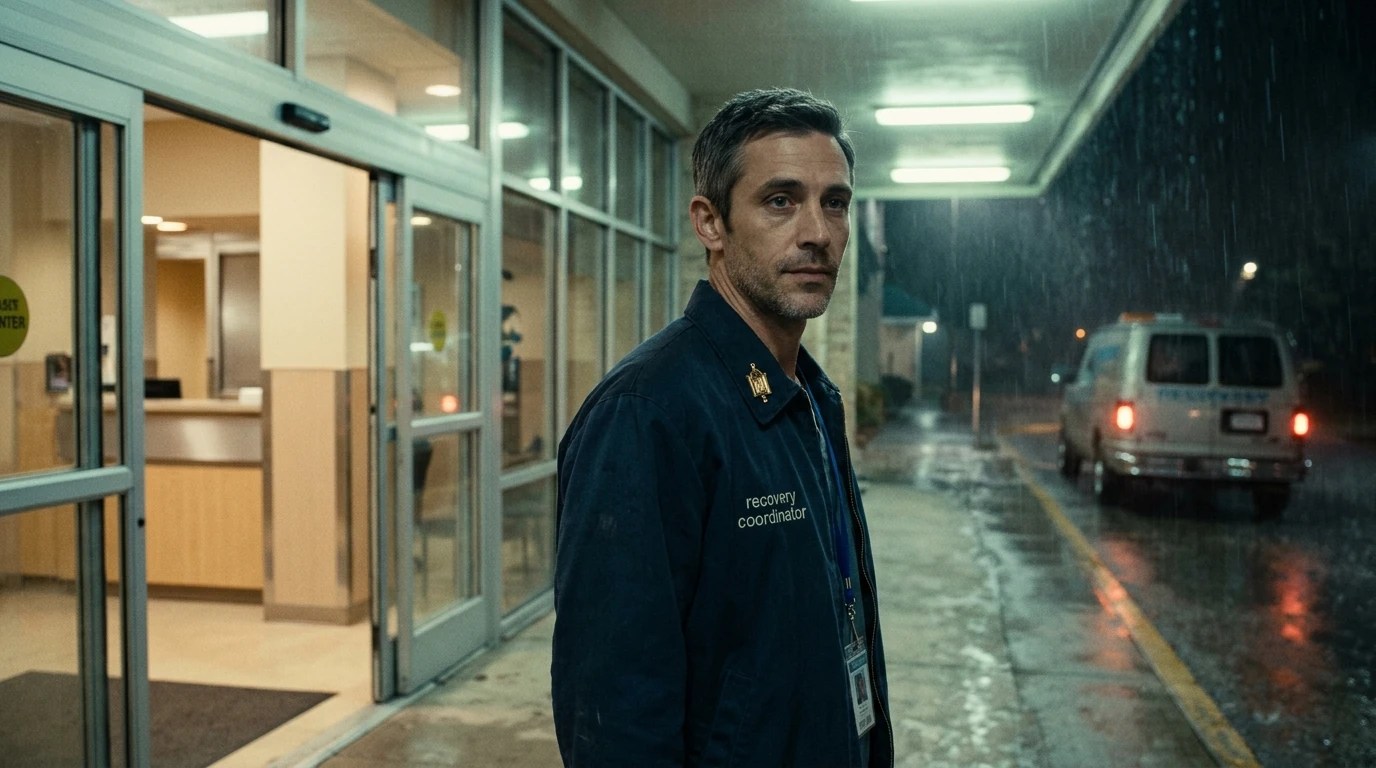
His first instinct is a hospital. He reaches the entrance before remembering that hospitals are where his team picks people up.
Gil helps. Places to sleep, records, a ride. Dell files for removal and the request shows as processing. Mona’s route works, but it took her months. He has days.
He goes to Ruth. Reliquary got there first, with a family check-in script built from Dell’s own recorded voice.
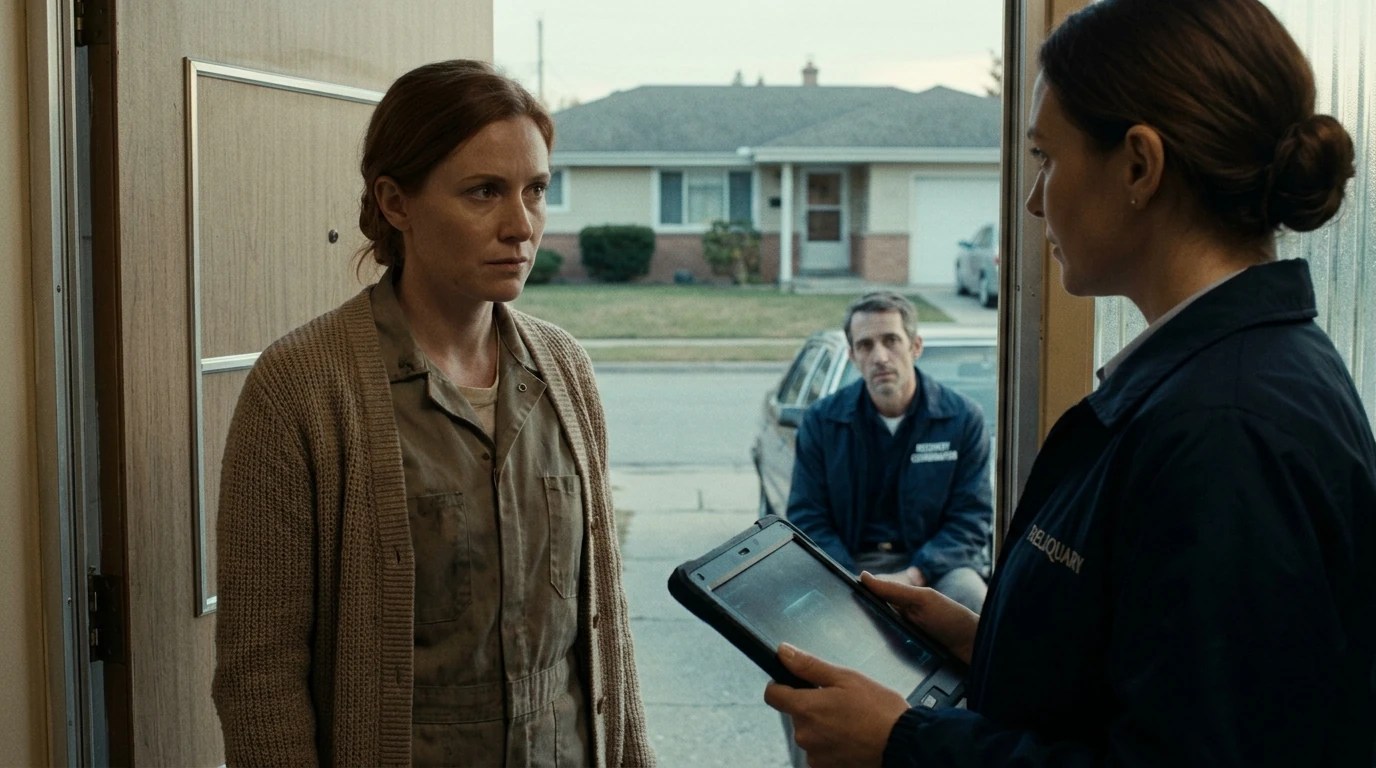
Removal won’t come in time. Dell stops running from the date and starts chasing the reason for it.
Act Three
The Matched Set
The order leads to the facility where Abner’s brain runs. Dell is meant to end up beside it. A matched pair.
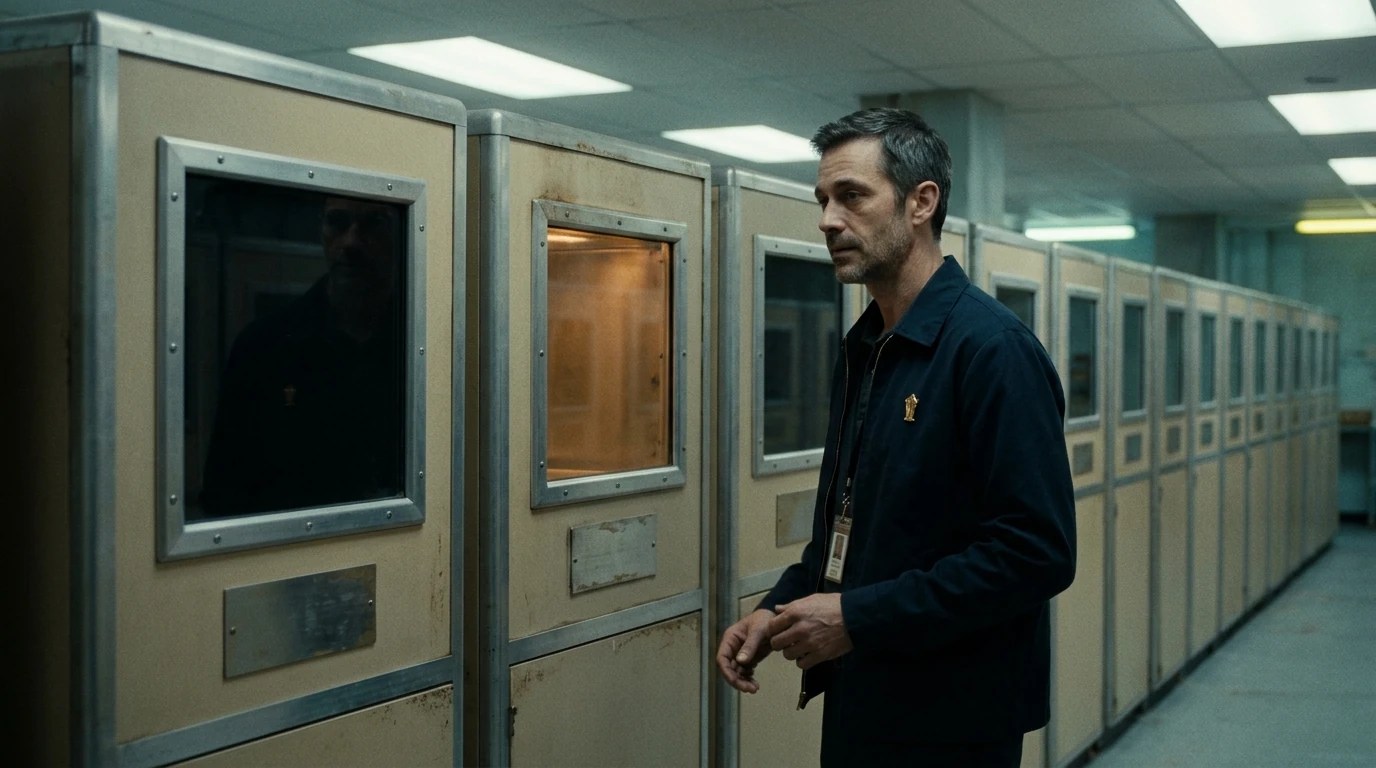
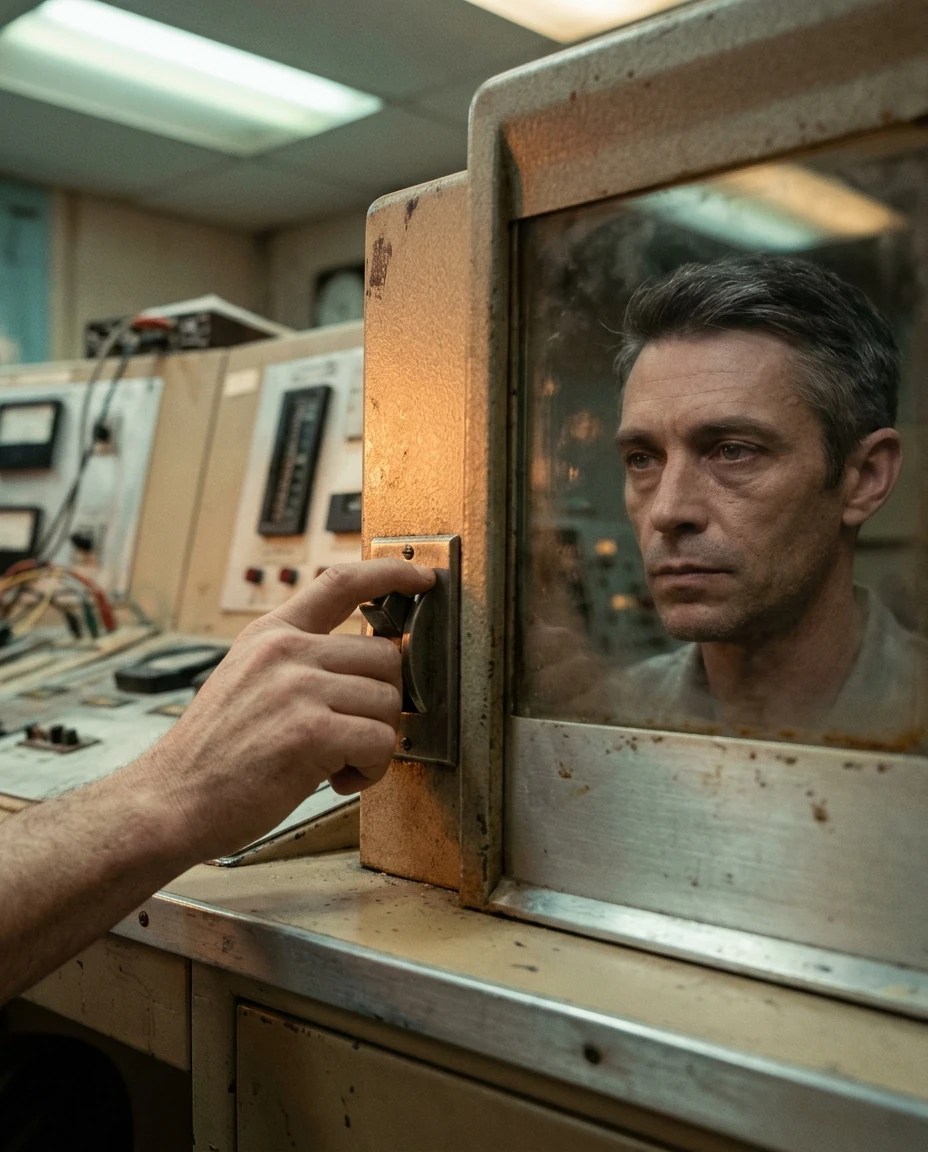
He goes in on his own terms and disconnects his brother. The only answer he gets to whether anyone was in there is choosing not to find out.
Ruth’s checks will stop.
With the set broken, the demand behind Dell’s date disappears. He traces the order to Gil, who wrote it to fit his friend’s profile and let the system do the rest. Dell doesn’t expose him. He shows the system that Gil is a threat, and the system does what it does.
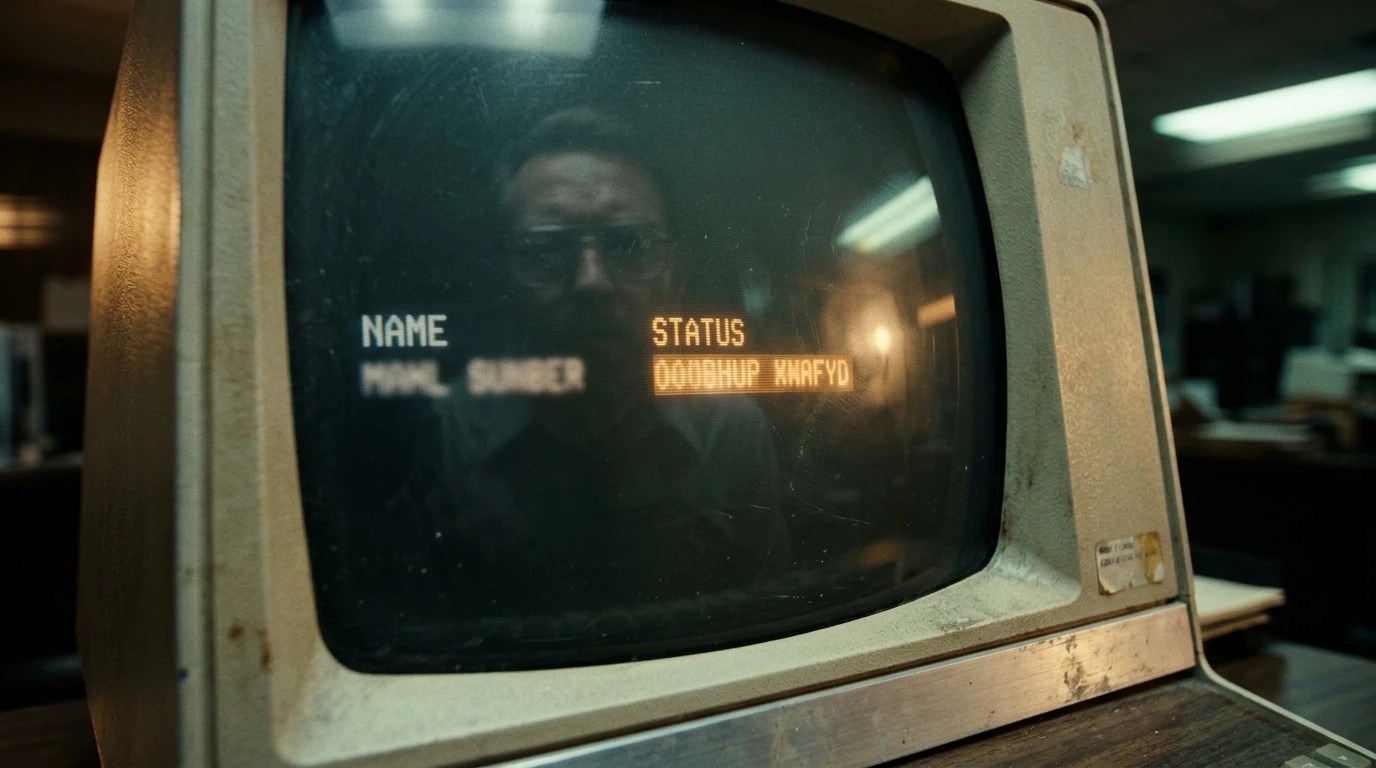
Removed from the list
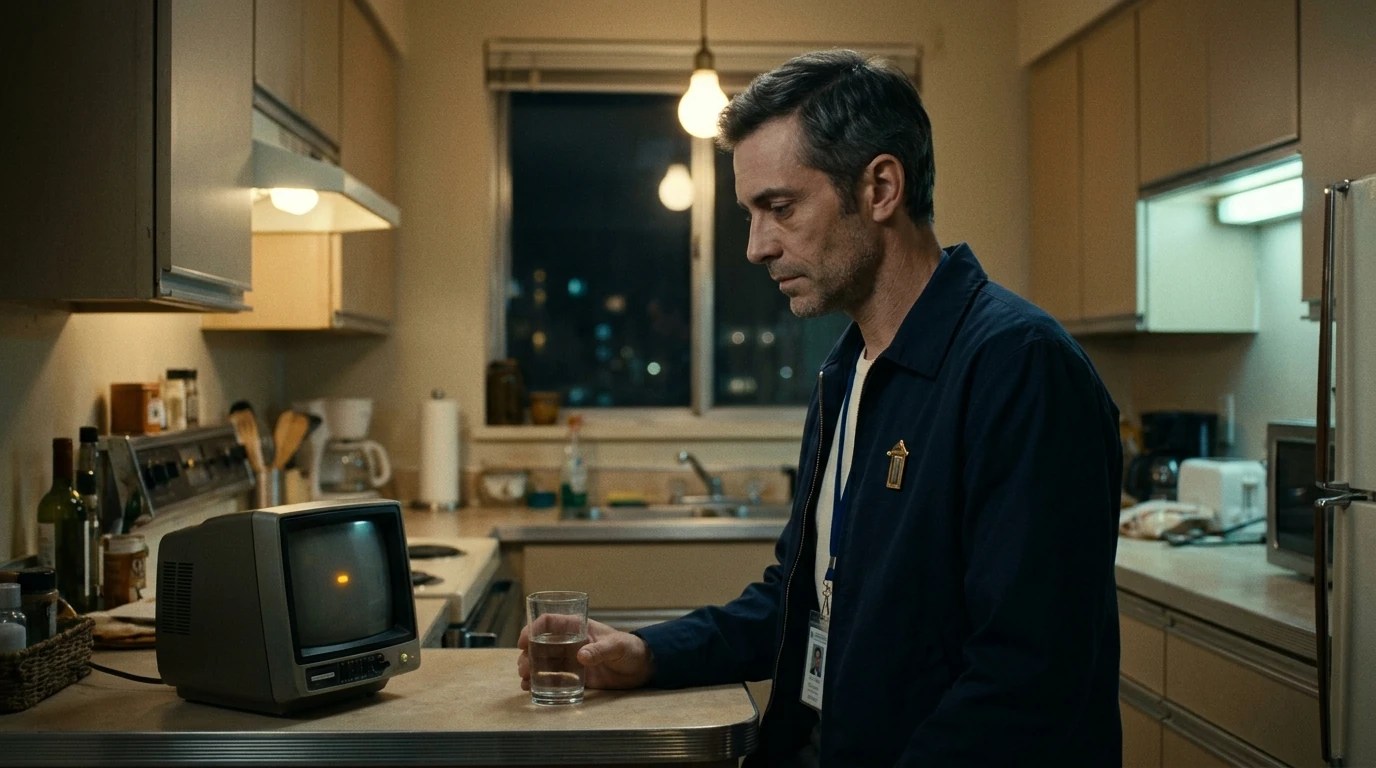
His name reappears. No explanation.
Status: Pending

Pending · A feature in development · J. Nicholas
Unnamed American city. No year. Keep contributing.

